Unlock Freshness: Your Ultimate Guide to Acquiring a Freezer Trailer for Sale
In the highly competitive field of food distribution, a freezer trailer acts as a critical component for companies managing temperature-sensitive products. Understanding the unique features, sizing options, and financial implications is imperative for making an informed decision. The decision between brand-new and previously owned trailers can significantly affect day-to-day operations. As enterprises look to upgrade their temperature-controlled logistics, they must evaluate multiple elements to guarantee peak performance and safety. Which critical factors might go unnoticed?
Why Choose a Freezer Trailer for Your Business?
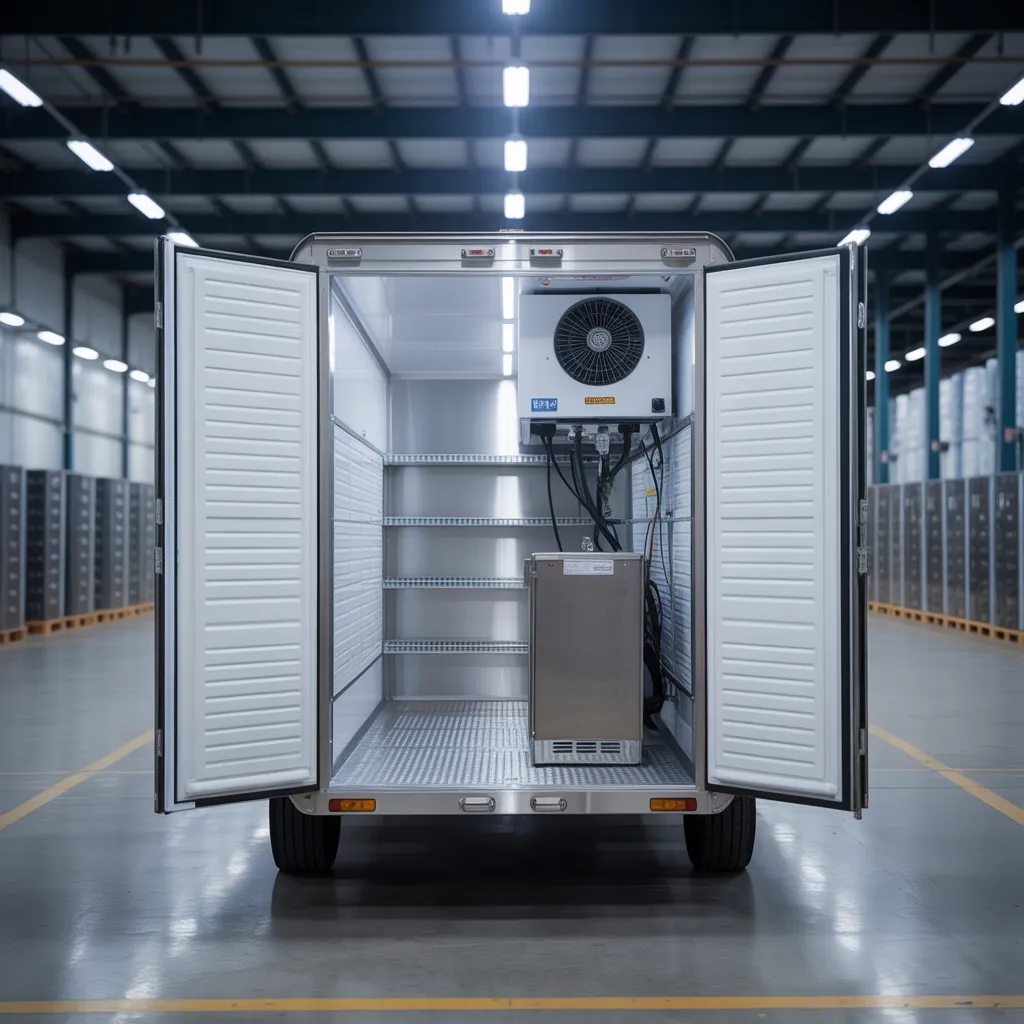
An increasing number of companies are relying on freezer trailers to enhance their operational efficiency. These mobile cold storage solutions provide flexibility, allowing businesses to move temperature-sensitive products while maintaining freshness. By incorporating freezer trailers, businesses can broaden their delivery reach, serving far-flung destinations where standard refrigeration solutions could fall short.
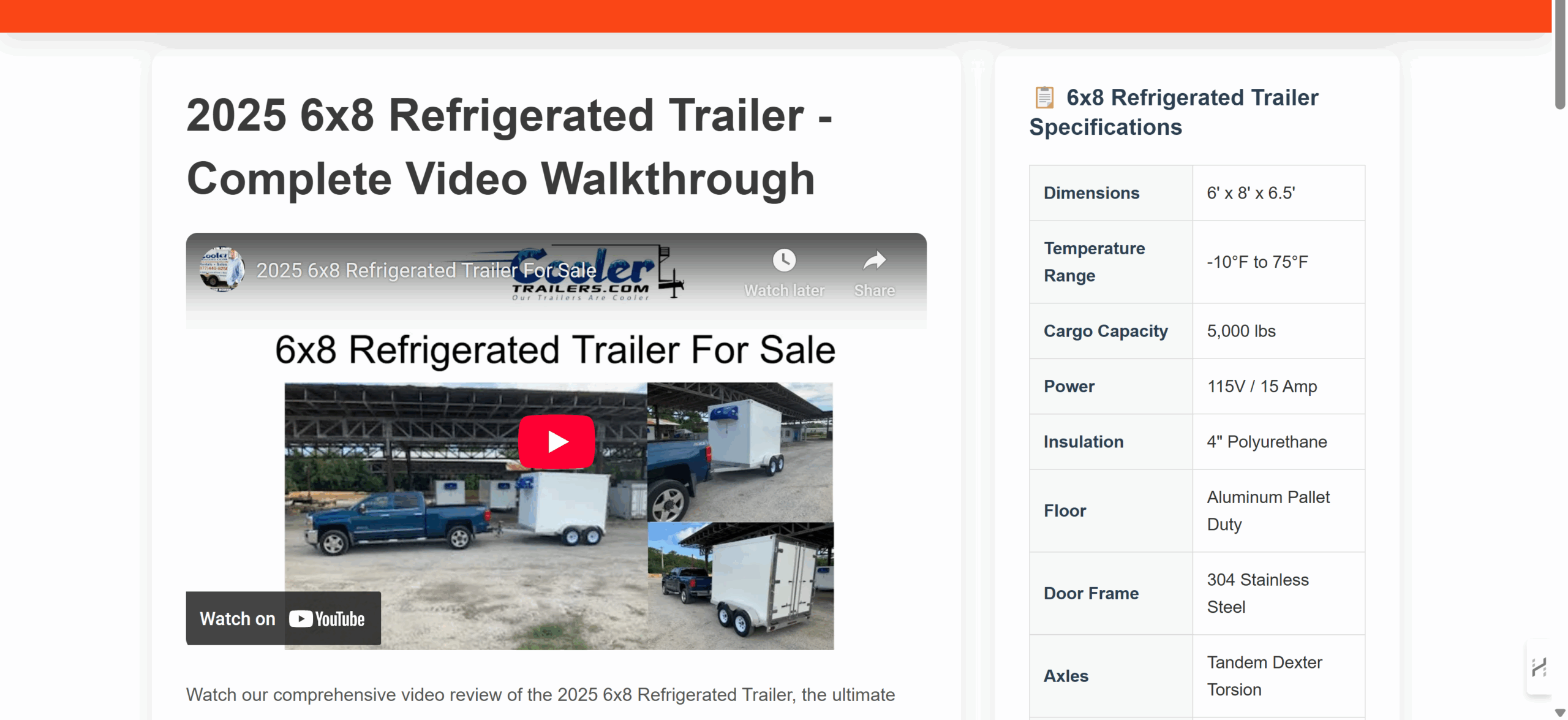
Additionally, freezer trailers present the benefit of sustaining a stable atmosphere, which is essential for protecting food safety and maximizing shelf life. This is notably useful for industries such as catering, food distribution, and pharmaceuticals, where temperature monitoring is essential.
Furthermore, freezer trailers usually demand a smaller initial outlay important information when measured against establishing permanent refrigeration infrastructure, making them a economically sound option for many enterprises. As consumer interest in perishable and frozen items keeps growing, leveraging freezer trailers helps organizations to meet customer expectations while enhancing their supply chain efficiency.
Important Features That Allow Your Freezer Trailer to Reach Maximum Performance
Purchasing a freezer trailer provides several advantages, but its effectiveness primarily relies on certain features meant to enhance performance. Primarily, a powerful refrigeration system is critical, ensuring stable temperatures that preserve food quality. Energy efficiency is a further vital feature, as it minimizes operating costs while maintaining ideal conditions.
Moreover, the quality of insulation plays a vital role in preserving temperature levels, reducing energy consumption and enhancing performance. The structural material of the trailer must be durable and corrosion-resistant, assuring longevity even in harsh environments.
Furthermore, a well-designed drain system helps maintain cleanliness and hygiene, critical for food safety.
Lastly, user-friendly thermal monitoring solutions offer live data, allowing technicians to apply needed corrections without delay. Combined, these capabilities confirm that a cold storage trailer not only meets but exceeds operational demands, effectively driving long-term business achievement.
Picking the Perfect Freezer Trailer Size to Meet Your Needs?
When picking out a refrigerated trailer, it is important to evaluate specific storage demands to guarantee sufficient capacity for the planned application. Moreover, factoring in the vehicle's towing capacity can avoid issues during transport. Thorough assessment of these factors will aid in determining the correct size refrigerated trailer.
Evaluate Your Storage Requirements
How can one determine the perfect dimensions for a cold storage trailer? Assessing storage requirements is fundamental for reaching a well-informed conclusion. To begin, operators should assess the kinds and amounts of items they intend to keep. For operations dealing with perishable items, a greater storage capacity may be required to accommodate inventory fluctuations. Furthermore, factoring in how often restocking occurs plays a significant role; higher delivery frequency might reduce the need for larger capacity. One must also remember to factor in future growth—scaling up may call for a more spacious unit. Finally, reviewing the area designated for parking and handling the trailer can impact the decision on trailer size. Taking these factors into account confirms that the selected freezer trailer satisfies present and future requirements effectively.
Consider Vehicle Capacity
What aspects should be evaluated concerning vehicle capacity when selecting a freezer trailer? To begin with, the vehicle's towing capacity needs to match the trailer's weight. Exceeding this limit can lead to safety hazards and potential vehicle damage. Moreover, the dimensions of the trailer should match the planned application; a higher capacity is most suitable for moving large quantities of goods, whereas a compact size may be adequate for infrequent deliveries. Consideration should also be given to the vehicle's agility and the trailer's size, guaranteeing they are capable of maneuvering through urban areas or restricted spaces efficiently. Finally, the weight distribution is essential for stability during transport, impacting both handling and safety. Balancing these factors will help in selecting the right freezer trailer for specific needs.
Should You Buy New or Used The Benefits and Drawbacks of Freezer Trailers
When evaluating acquiring a refrigerated trailer, the selection between new and used options presents clear pros and cons. New models frequently feature guarantees and up-to-date technology but at a higher cost, while second-hand trailers may be more budget-friendly yet may need extra upkeep. Evaluating these factors is essential for arriving at a sound choice.
Cost Factors
Choosing between new and used freezer trailers involves several cost aspects that can heavily influence a buyer's budget. New freezer trailers typically come with higher upfront costs but offer the latest technology, warranties, and potentially lower maintenance expenditures. In contrast, used trailers can offer significant savings, often at a fraction of the cost, but may lack modern features and could demand more frequent repairs. Buyers should also factor in depreciation, as new trailers decline in value fast, while used models may maintain their value more consistently over time. Ultimately, weighing the initial purchase price against long-term value and reliability will help buyers reach a well-considered choice that matches their financial goals.
Upkeep Requirements
Maintenance requirements play a significant role in the selection process between new and used freezer trailers. New freezer trailers typically come with warranties, lowering the likelihood of costly repairs and providing consistent functionality. Their cutting-edge engineering generally necessitates less routine upkeep. Conversely, pre-owned trailers can harbor concealed problems that result in higher maintenance expenses over time. Purchasers ought to evaluate the age, overall condition, and maintenance records of pre-owned units, as older units may need more frequent repairs or part replacements. It is also worth noting that upkeep availability and associated costs can fluctuate across different brands. In the end, the decision depends on weighing the upfront cost against ongoing maintenance projections, making certain that the chosen unit suits both operational requirements and financial limitations.
Planning Your Freezer Trailer Budget
Budgeting for a freezer trailer requires careful consideration of several key factors. The base purchase price tends to be the primary cost factor, with prices varying based on size, brand, and features. Prospective owners should also consider extra expenses, like shipping and delivery charges, which may increase the total investment required.
Upkeep and operational costs are important to consider as well; electricity costs, routine servicing, and potential repairs can accumulate over time. Prospective owners should also account for insurance and registration fees, which may be necessary under local regulations.
Furthermore, it is important to account for any add-ons or accessories that may improve performance, such as storage shelving or climate control systems. By considering all these factors, potential purchasers can develop a well-planned budget that addresses both immediate costs and long-term financial commitments related to freezer trailer ownership.
Key Tips for Keeping Your Freezer Trailer in Top Condition for Long-Term Use
Adequate care of a cold storage trailer is critical for maintaining its durability and peak performance. Routine inspections should be performed to evaluate the refrigeration system, ensuring that all elements operate properly. Washing both the inside and outside of the unit prevents the gathering of dust and pollutants, which can undermine productivity and cleanliness standards.
It is important to track temperature levels and make certain they remain consistent, as variations can damage stored products. Furthermore, inspecting seals and gaskets on a routine basis supports consistent temperature control and reduces energy consumption.
Tires and brakes should also be inspected routinely to maintain safe hauling conditions. Keeping the trailer stored in a shaded or covered area can shield it from weather-related deterioration. Finally, maintaining proper documentation of repairs and servicing can assist in detecting repeated concerns and contribute to improved resale value down the line. By adhering to these practices, owners can significantly prolong the life of their freezer trailer.
How to Improve Freshness and Productivity in Your Freezer Trailer
Maximizing freshness and efficiency in a frozen goods trailer demands careful management and strategic planning. First, correct temperature configurations are vital; maintaining a consistent temperature of -18°C (0°F) secures perfect preservation of stored items. Routinely checking and adjusting temperature controls helps prevent fluctuations.
Additionally, organizing products by type and expiration date improves accessibility and minimizes waste. Implementing clear labeling and designated areas facilitates efficient inventory management.
Additionally, minimizing door openings limits temperature loss. Organizing the trailer effectively, ensuring airflow around items, also aids in maintaining a consistent environment.
Scheduled maintenance procedures, comprising inspecting seals and cleaning condenser coils, are essential for preserving the unit's efficiency.
Lastly , investing in premium insulation improves the vehicle's effectiveness in maintaining cold air, additionally promoting freshness. Adopting these strategies will confirm that a freezer trailer functions at peak capacity, safeguarding products and optimizing operational efficiency.
Questions We Often Receive
Which Brands Are Top-Rated for Freezer Trailers?
Leading manufacturers for freezer transport units consist of copyright Transicold, Thermo King, and Frigidaire. These brands are renowned for their reliability, advanced technology, and efficient cooling solutions, addressing diverse requirements in the transportation of temperature-sensitive goods.
How Should I Clean and Sanitize My Freezer Trailer
To properly clean and sanitize a freezer trailer, begin by removing all items. Apply warm, soapy water to scrub all surfaces, then rinse all areas completely. As a final step, use a food-safe sanitizer, allowing it to cover all surfaces completely before air drying.
Can My Freezer Trailer Be Customized?
Certainly, freezer trailers can be modified. Owners often modify elements such as racking systems, thermal controls, and external aesthetics to better suit their individual specifications, securing optimal performance for shipping temperature-sensitive items effectively.
What Are the Most Frequent Repair Problems With Freezer Trailers?
Typical maintenance concerns with refrigerated trailers include insulation breakdown, compressor failures, thermostat malfunctions, and electrical issues. Routine maintenance helps prevent these problems, guaranteeing optimal performance and extending the life of the unit.
How Do I Transport My Freezer Trailer Safely?
For safe freezer trailer transportation, ensure it's firmly connected to the tow vehicle, check the tire pressure, and distribute weight evenly. Utilize appropriate tie-downs and keep an eye on temperature during the journey to protect the freshness of the contents.